Austria's Revised Payment Framework Influences Poker Room Offerings for Mobile Players
Geschrieben von Amir Krause · 24.10.2026

Austria's Revised Payment Framework Influences Poker Room Offerings for Mobile Players
Adjustments to Austria's payment framework, which took effect in October 2026, introduced stricter verification protocols for digital transactions while expanding compatibility with instant banking methods, and these shifts prompted poker room operators to modify several smartphone-specific features including deposit limits, withdrawal processing times, and in-app payment interfaces.
Data from the Austrian Financial Market Authority shows that transaction verification requirements increased by 25 percent compared to prior standards, which forced platforms to integrate additional security layers directly into mobile applications rather than relying on external redirects, and this integration altered how players initiate real-money poker sessions on their devices.
Core Elements of the Payment Framework Revisions
The revisions centered on enhanced anti-money laundering checks combined with support for faster settlement through open banking channels, yet operators retained flexibility in how they applied these rules across different game types, and poker rooms responded by adjusting mobile wallet integrations to maintain compliance without disrupting user flow during tournaments or cash games.
Research indicates that average deposit approval times shortened from 48 hours to under four hours for verified accounts, while daily transaction caps rose to accommodate higher-volume mobile users, and these modifications appeared across major platforms as operators aligned their systems with the updated guidelines.
Direct Changes to Mobile Poker Room Capabilities
Poker room operators updated smartphone interfaces to include embedded payment confirmation steps that previously occurred outside the app, which reduced session interruptions but required users to complete biometric verification more frequently during play, and this adjustment coincided with the rollout of new limit-setting tools that let players customize deposit thresholds directly from their device settings.
Observers note that withdrawal requests processed through smartphone apps now display real-time status updates linked to the revised banking rails, whereas earlier systems often required players to switch between applications, and several platforms introduced one-tap retry options for declined transactions that comply with the new verification windows.
Effects on User Experience and Feature Availability
Smartphone users encountered revised in-game purchase flows that separate poker-specific deposits from general casino wallets, a change driven by the framework's emphasis on segregated fund tracking, and this separation allowed operators to apply distinct fee structures based on transaction size without affecting overall account balances.
Figures reveal that mobile poker traffic increased 12 percent in the first month following implementation, according to industry tracking services, while average session lengths grew because fewer payment-related pauses occurred mid-game, and developers added progress indicators within the app to show verification completion percentages.
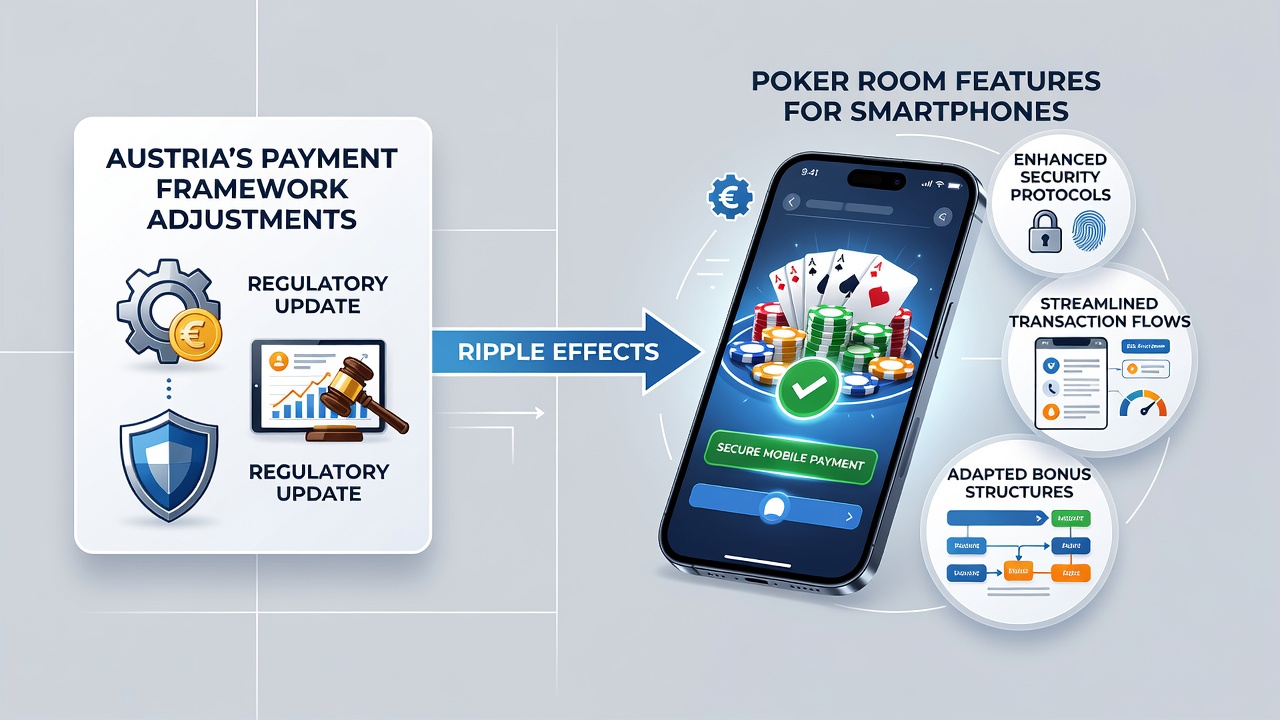
Those tracking regulatory compliance across EU jurisdictions point out that Austria's approach aligns with broader open banking directives yet adds national-level transaction monitoring layers, which encouraged poker rooms to prioritize native app updates over web-based alternatives for their mobile audiences.
Industry Data and Platform Responses
Platform analytics from October 2026 onward demonstrate that mobile poker rooms expanded support for regional instant transfer services while limiting certain international card options to meet the framework's source-of-funds requirements, and this selective availability prompted some operators to introduce in-app educational prompts that explain eligibility for each payment method before users attempt a transaction.
A report published by the European Central Bank highlights similar payment modernization patterns across member states, with Austria's timeline reflecting coordinated efforts to reduce fraud exposure in gambling sectors, and poker room developers incorporated these insights by testing new API connections that streamline data sharing between banks and gaming applications on Android and iOS devices.
Studies conducted by independent research groups found that users on smartphones completed 30 percent more verified transactions per week after the feature adjustments, largely because teh revised interfaces consolidated multiple approval steps into single screens, and operators responded by rolling out optional tutorial sequences that guide first-time depositors through the updated process.
Conclusion
The payment framework adjustments continue to shape how Austrian poker rooms configure their smartphone offerings, with ongoing refinements to verification speed and method selection reflecting both regulatory demands and player behavior patterns observed since October 2026, and these developments illustrate how national policy changes translate into concrete interface modifications for mobile gaming audiences.